The History and Value of Jingdezhen Porcelain
Jingdezhen, known as the “Porcelain Capital of the World,” has a history of over 1,000 years in ceramic production. As early as the Song Dynasty, it was the main supplier of imperial porcelain, with exquisite white and carved wares highly prized by the royal family. By the Ming and Qing Dynasties, Jingdezhen porcelain was exported worldwide, becoming an important item in China’s foreign trade. In fact, the English word “china” to describe porcelain originates from Jingdezhen’s products.
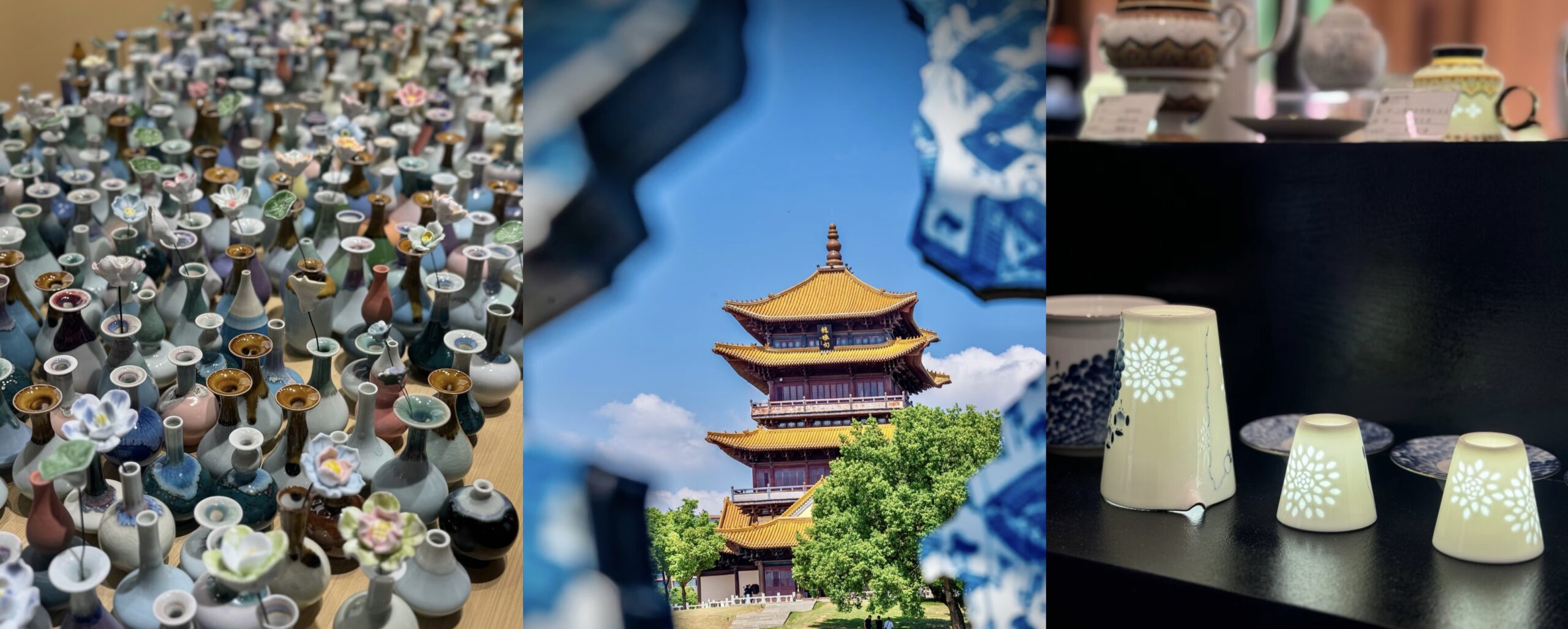
Jingdezhen porcelain is not only historically significant but also highly valued for its artistic excellence. From blue-and-white ware to famille rose, doucai, and delicate carved porcelain, each piece reflects Chinese aesthetics: elegant shapes, smooth glazes, and meticulous craftsmanship. These items are more than functional objects—they are works of art, collectible and culturally meaningful.
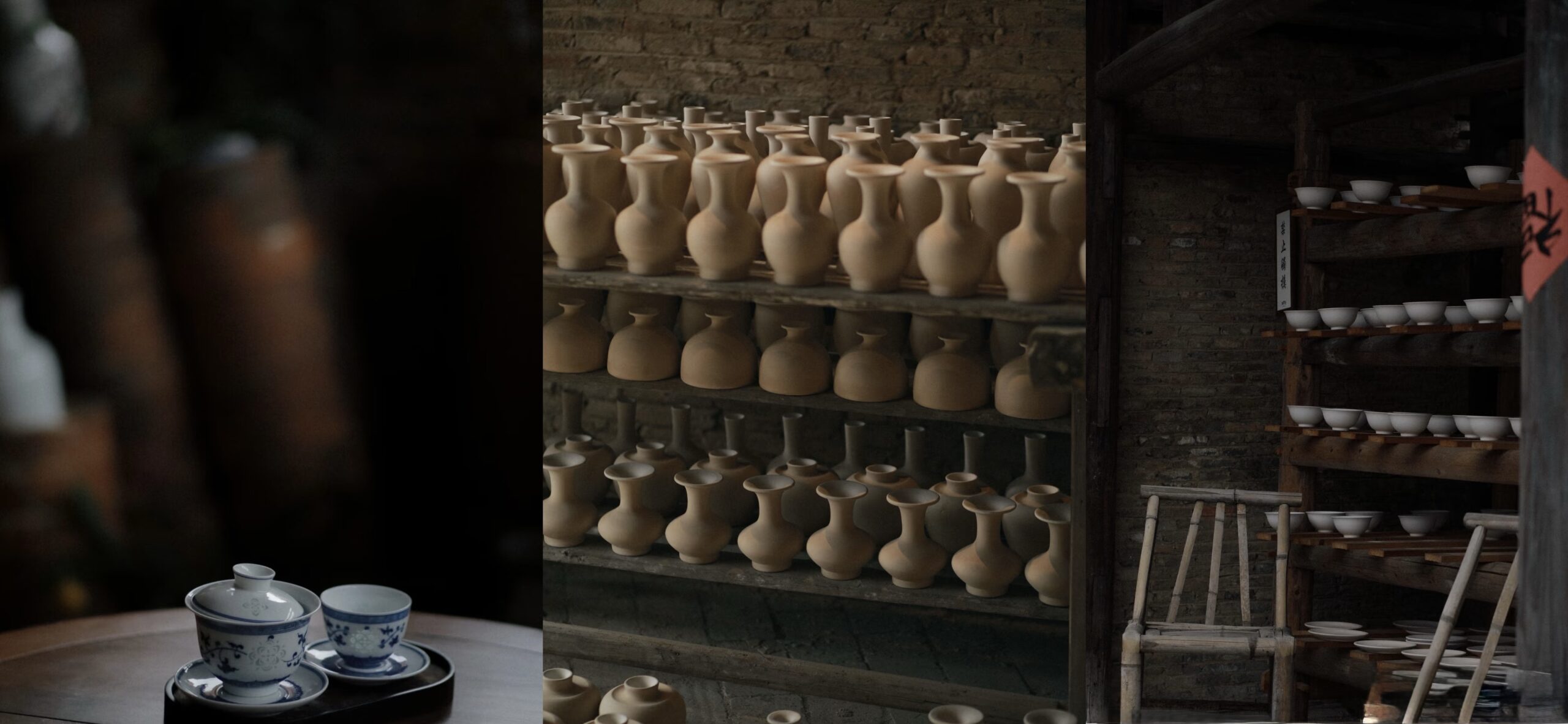
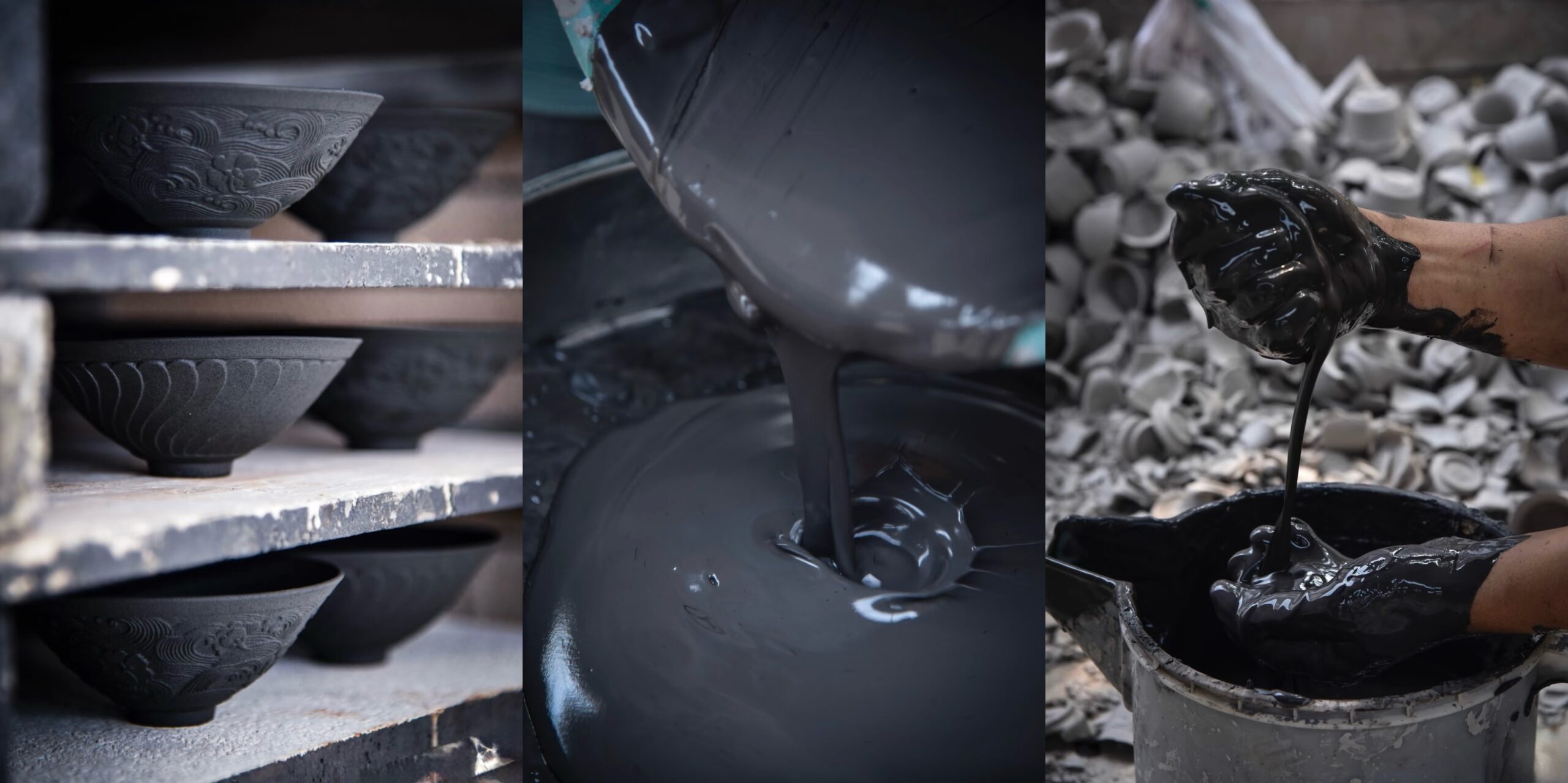
Moreover, Jingdezhen boasts a mature and complete ceramic industry system. From clay selection, throwing, glazing, and firing, to decoration, packaging, and export, each step is managed by skilled artisans with centuries of experience. This system has made Jingdezhen porcelain not only a cultural treasure but also a commercially successful product—already a major export item sought by royals and collectors around the world during the Ming and Qing Dynasties.
Today, Jingdezhen continues its millennia-old handcraft traditions while combining modern design and international market needs, producing high-quality ceramics that are artistic, practical, and collectible.